GreenVET pathway

Online GreenVET Path
| ← close |
 |  |  | ||
Energy-efficient Lighting
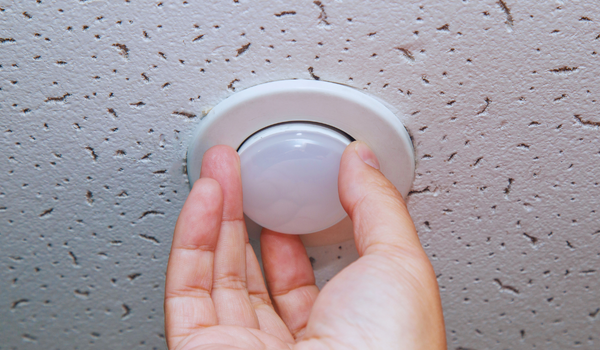
Schools improve energy efficiency by installing automatic light sensors and LED lighting in classrooms and common areas. The sensors adjust brightness based on natural light and occupancy, ensuring lights are on only when needed. Regular maintenance and staff and student training support energy-saving behaviors, reducing energy use, cutting costs, and promoting sustainability.Key People and Partners Involved
- School management and teaching staff
- Students
- School's facility management
Description of the practice
To implement the use of light sensors and LED lighting in schools, the first step is to conduct an energy audit to identify areas where lighting is overused or inefficient. Schools need to invest in high-quality LED fixtures and compatible automatic light sensors that detect both natural daylight and occupancy. Installation should cover classrooms, hallways, cafeterias, and other frequently used spaces. It’s important to involve facility managers, electricians, and sustainability coordinators to ensure proper setup and calibration of the system. Additionally, scheduling regular maintenance helps keep sensors and lights functioning optimally over time.Equally important is engaging the school community—teachers, staff, and students—in understanding the new system and the benefits of energy conservation. Training sessions and awareness campaigns can promote mindful use of lighting, encouraging everyone to support the technology by reporting any issues and adopting energy-saving habits. This combination of technology and community involvement creates a culture of sustainability within the school, where energy efficiency becomes a shared responsibility.
The impact of these changes is significant. Schools experience noticeable reductions in electricity consumption, which lowers operational costs and frees up budget resources for other educational needs. Environmentally, this practice reduces carbon emissions associated with energy production, contributing to climate change mitigation efforts. Moreover, by showcasing their commitment to sustainability, schools provide an important learning example for students, instilling environmental values that can influence their behavior beyond the classroom. This holistic impact supports the school’s role in building a more sustainable future.
Where it’s being implemented
This link might not lead to content in English language. Use your browser's translate function or automatic captions to explore this resource.- "IES Joan Llopis Marí High School (Valencia, Spain).
As part of a regional Energy Saving and Efficiency Programme, this secondary school replaced old fluorescent fixtures with LED lighting equipped with light sensors that adjust brightness based on daylight levels. The upgrade cut energy usage in lighting by 58. kW/year and reduced CO₂ emissions by 15.7 tonnes annually. "
https://ec.europa.eu/regional_policy/projects/projects-database/a-bright-future-for-valencia-s-high-schools-thanks-to-energy-efficient-lighting_en"utm_source=chatgpt.com - "Werner von Siemens High School (Bad Harzburg, Germany):
This vocational–technical school installed around 150 ceiling-mounted sensors as part of a KNX-based system. Daylight-dependent lighting control ensures that artificial lighting is only used as needed, while motion sensors automatically turn off lights when rooms are unoccupied—optimizing both energy and heating efficiency."
https://www.beg-luxomat.com/en-in/solutions/reference-projects/werner-von-siemens-high-school/
Impact and Results
- Lower Carbon Emissions: By cutting energy use, schools reduce their carbon footprint by an estimated 1.5 to 3 tons of CO₂ per year, depending on the school size and local energy sources.
- Improved Learning Environment: Consistent, well-adjusted lighting improves student concentration and comfort, potentially enhancing academic performance by up to 10%, according to studies on lighting quality in classrooms.
Implementation Tips and Insights
- Start with an Energy Audit: Assess current lighting systems to identify areas with the highest energy waste and prioritize those for sensor and LED upgrades.
- Choose Quality Equipment: Invest in reliable, compatible LED lights and sensors that can adjust to both natural daylight and occupancy for maximum efficiency.
- Plan Installation Carefully: Schedule installations during school breaks or off-hours to minimize disruption and ensure proper wiring and calibration by qualified professionals.
- Educate and Involve the School Community: Inform staff and students about the benefits and proper use of the new system to encourage energy-saving habits and quick reporting of any issues.
Useful Links and Resources
This link might not lead to content in English language. Use your browser's translate function or automatic captions to explore this resource. A study on energy conservation in lighting systems using luminaire-based sensor for automatic dimming. It proposes a control strategy for LED lamps by adjusting lighting intensity.https://www.nature.com/articles/s41598-025-87813-y
A Case Study on energy reduction through lighting improvement in a health care center in Chicago.
https://www.epa.gov/sites/default/files/2015-05/documents/cs8-lovell-lighting.pdf
Provided by Greenpeace's Schools-for-Earth-Programme, this German-language tool can help you track your school's CO2 emmissions. This includes energy consumption, but also any other emmissions that occur in the school context.
https://co2-schulrechner.greenpeace.de/willkommen


- © 2023 GreenVET | handcrafted & powered with love by GreenVET Team