GreenVET pathway

Online GreenVET Path
| ← close |
 |  |  | ||
From Market to Community: Students Fighting Food Waste
A student-organized initiative that connects local producers with the school community, promoting environmental awareness, responsible consumption, and hands-on learning about sustainable food systems.Key People and Partners Involved
- School management and teaching staff
- Students
- Local community members
Description of the practice
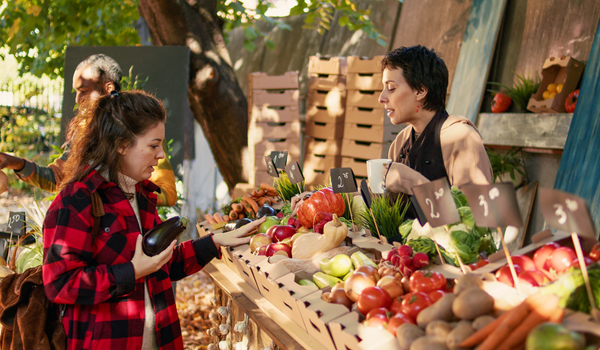
This practice involves students regularly visiting a farmers' market near closing time to collect leftover produce that would otherwise go to waste. The fresh produce is then donated to a local charity or food bank.Through this process, students deepen their understanding of environmental and social responsibility while taking on active roles in creating positive change. The initiative also aligns with academic efforts to embed sustainability into the learning process, making it a practical application of the Whole Institution Approach.
By promoting circular food systems, reducing food waste, and encouraging dialogue around sustainability and social issues, this farmers' market initiative contributes to a more resilient and informed community, one that embraces sustainability and social issues as a shared responsibility.
Where it’s being implemented
This link might not lead to content in English language. Use your browser's translate function or automatic captions to explore this resource.- The American College of Greece actively participates in this iniative called "We Can at the Farmer's Market". What started as a single market collaboration has expanded to two markets a week.
https://www.acg.edu/about-acg/sustainability-at-acg/community-engagement/acg-farmers-market/
Impact and Results
- Increased participation and collaboration between the school and local community
- Greater community trust and sense of shared responsibility
- Enhanced experiential learning opportunities
- Stronger student and staff engagement in sustainability and social innovation
Implementation Tips and Insights
- Begin with a one-day pilot market involving 2-3 local producers. Reach out to farmers, artisans, or cooperatives that prioritize sustainability.
- Form a student team or sustainability club to take charge of planning and organizing the volunteering activity.
- Find a reliable organization that accepts fresh food donations and can distribute them quickly to people in need. Clarify what types of produce are accepted and arrange drop-off or pickup logistics.
- Ensure there’s a plan for how students will transport the food safely and promptly. Use clean crates or reusable bags, and avoid collecting spoiled or unsafe items. Provide basic training on hygiene and handling fresh produce.
Useful Links and Resources
This link might not lead to content in English language. Use your browser's translate function or automatic captions to explore this resource. Tips on reducing food waste:https://www.boroume.gr/en/you-can-help/reduce-food-waste/


- © 2023 GreenVET | handcrafted & powered with love by GreenVET Team