GreenVET pathway

Online GreenVET Path
| ← close |
 |  |  | ||
Unsealing Surfaces for Climate-Resilient School Grounds
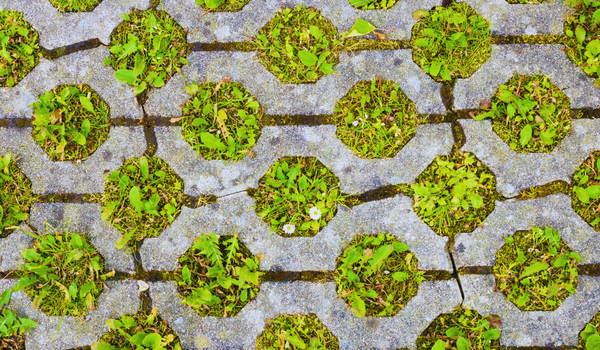
Removing sealed ground surfaces and replacing them with permeable alternatives is a highly effective climate adaptation strategy. Vocational schools can adopt this practice to improve local water management, reduce heat stress, and create greener, more resilient learning environments.Key People and Partners Involved
- School management
- Facilities/groundskeeping staff
- External partners
Description of the practice
As climate change intensifies, cities and institutions face increasing challenges from heavy rainfall, flooding, and urban heat. One key contributor to these issues is the prevalence of sealed surfaces"such as asphalt and concrete"which prevent water absorption, elevate surface temperatures, and strain local drainage systems. By removing these impermeable layers and replacing them with natural or permeable materials, schools can directly contribute to reducing these climate-related impacts.For vocational schools, this approach offers both environmental and educational benefits. Unsealing paved areas such as unused pathways, parking lots, or courtyards can improve groundwater recharge, support biodiversity, and reduce localized flooding. Green areas can also be designed to provide shade and cooling, helping to mitigate the urban heat island effect. Involving students in the planning, implementation, and monitoring of these projects offers hands-on learning experiences in sustainable construction, horticulture, landscape design, and environmental science.
This measure fits well within a whole-institution approach to sustainability, where infrastructure, curriculum, and community engagement align toward shared climate goals. By transforming parts of the campus into living laboratories for climate adaptation, vocational schools not only improve their physical environment but also empower students to become active participants in creating a more sustainable future.
Where it’s being implemented
This link might not lead to content in English language. Use your browser's translate function or automatic captions to explore this resource.- The campus of the climate resilient school Roskilde was redesigned to better handle stormwater. The school disconnected part of its roof runoff, replaced some paved surfaces with permeable paving, added facilities like a raingarden and trenches, and created interactive water features for students.
https://stateofgreen.com/en/solutions/the-climate-resilient-school-roskilde-denmark/"utm_ - Primary School No. 195, Warsaw, Poland: Under the “Climate‑friendly school” project, various nature‑based solutions were applied, including unsealing and using permeable surfaces as well as rain gardens, green roofs, and walls. The project also engaged students and teachers in the planning and design, making it both climate‑adaptation and education‑oriented.
https://eeagrants.org/archive/2014-2021/projects/PL-CLIMATE-0038"utm_ - As part of the myBUILDINGisGREEN LIFE project, Solana de los Barros Primary School in Extremadura, Spain implemented several nature‑based solutions: green roofs and facades, permeable (porous) paving, planting trees, and other interventions to reduce surface runoff and heat buildup.
https://climate-adapt.eea.europa.eu/en/metadata/case-studies/nature-based-solutions-in-schools-a-green-way-to-adapt-buildings-to-climate-change-in-solana-de-los-barros-extremadura-spain"utm_source=cha
Impact and Results
- Climate resilience: Unsealed surfaces reduce flood risk and help schools better adapt to extreme weather cuased by climate change.
- Urban Heat Reduction: Replacing sealed areas with vegetation or permeable materials lowers surface temperatures and creates cooler outdoor spaces.
- Sustainable Water Management: Improved rainwater infiltration eases pressure on drainage systems and supports natural water cycles.
- Biodiversity support: New green areas provide habitats for local species, enhancing biodiversity on school grounds.
- Practical sustainability education: Students gain hands-on experience with climate adaptation through real-world learning environments.
Implementation Tips and Insights
- Start small: Begin by unsealing low-use or outdated areas like old walkways or corners of the schoolyard to test the approach on a manageable scale.
- Choose permeable alternatives: Use materials like gravel, mulch, grass pavers, or planting beds that allow water to infiltrate and are easy to maintain.
- "Engage students in the process: Involve students—especially in vocational tracks—in planning, construction, and maintenance to create learning opportunities and foster ownership."
- Integrate with Other Green Features: Combine unsealed zones with elements like rain gardens, native plants, or shaded seating areas to maximize ecological and educational benefits.
Useful Links and Resources
This link might not lead to content in English language. Use your browser's translate function or automatic captions to explore this resource. "abpflastern" is a German competition for unsealing surfaces and provides valuable resources for schools aiming to enhance their climate resilience by providing practical guidance, case studies, and expert advice on transforming sealed surfaces into permeable, green spaces.https://www.abpflastern.de/


- © 2023 GreenVET | handcrafted & powered with love by GreenVET Team