GreenVET pathway

Online GreenVET Path
| ← close |
 |  |  | ||
Plant-Based Meals for Lower Footprints in School Canteens
This initiative introduces more plant-based meals into school canteens to significantly cut the ecological footprint, teach students sustainable eating habits, and support climate-friendly food systems.Key People and Partners Involved
- Schools (administrators and canteen managers)
- Teachers and nutrition educators
- Students and parents
- Local farmers and food suppliers
Description of the practice
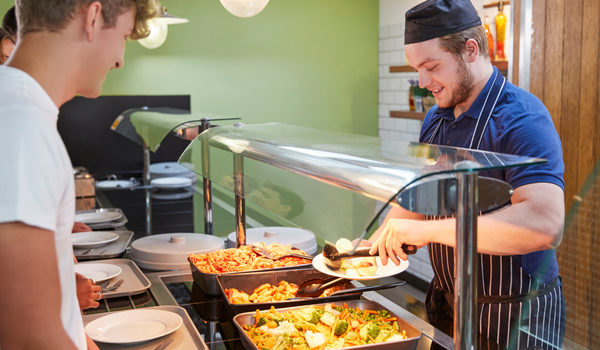
The school environment offers a unique opportunity to shape lifelong habits, including making more climate-friendly food choices. Recognizing this, a project coordinated by the Global Footprint Network and local partners worked with schools to introduce more plant-based meals into their canteens. By carefully planning menus that highlight vegetables, grains, and legumes while reducing reliance on meat, the schools could drastically lower their food-related ecological footprints.This approach didn’t just focus on what was served, but also on engaging students. Activities included lessons on food systems and environmental impacts, encouraging pupils to appreciate how their daily choices connect to planetary health. Schools also made an effort to communicate these changes positively, for instance highlighting delicious mushroom stews or veggie wraps that replaced traditional heavier dishes.
The results were clear: participating schools saw a significant drop in the footprint of their meals, in some cases by over 40%. Beyond the numbers, the project cultivated curiosity and acceptance among students, with many enjoying the new flavors and becoming ambassadors for healthier, lower-impact eating habits at home. This example underscores how adjusting school menus, paired with education and fun engagement, can be a powerful tool for sustainability.
Where it’s being implemented
This link might not lead to content in English language. Use your browser's translate function or automatic captions to explore this resource.- Beginning in October 2021, the Portuguese Vegetarian Association, the University of Aveiro, and Global Footprint Network collaborated with Portuguese municipalities Almada and Albufeira to calculate how switching from conventional to plant-based meals could impact their school’s Ecological Footprints. The project found that the Ecological Footprint of an average plant-based meal was 92% lower than that of an average meat-based meal.
https://overshoot.footprintnetwork.org/portfolio/plant-based-meals-school/
Impact and Results
- Up to 40% reduction in the ecological footprint of school meals.
- Students developed greater awareness of sustainable eating.
- Strengthened ties with local producers for fresh ingredients.
- Schools improved their sustainability image and community trust.
- Teachers incorporated food sustainability into lessons, enriching the curriculum.
Implementation Tips and Insights
- Start with one or two plant-based days a week to build acceptance.
- Work with local chefs to design tasty, appealing menus.
- Educate students about why these changes matter through interactive lessons.
- Involve parents early so they understand and support the initiative.
- Use fun promotional materials in canteens (colorful signs, taste tests).
Useful Links and Resources
This link might not lead to content in English language. Use your browser's translate function or automatic captions to explore this resource. FAO School Food and Nutrition Toolkit " Guidance for building healthy, climate-smart school meals.https://openknowledge.fao.org/server/api/core/bitstreams/6f3162ea-1c1f-4699-a4b1-59a041e5f113/content
This K-12 Plant-Based Meals Resource Kit by Pasado’s Safe Haven offers practical tools, lesson ideas, and talking points to help schools introduce more plant-based options in their cafeterias, aiming to improve student health, reduce environmental impact, and foster compassion toward animals.
https://www.pasadosafehaven.org/wp-content/uploads/2023/06/K-12-PLANT-BASED-MEALS-RESOURCE-KIT-1-1.pdf


- © 2023 GreenVET | handcrafted & powered with love by GreenVET Team