GreenVET pathway

Online GreenVET Path
| ← close |
 |  | |||
Navigating Dilemmas: Turning Sustainability Conflicts into Learning in VET
This best practice involves using real-life conflicts between economic, environmental, and social objectives as structured learning moments. Through guided reflection, multidisciplinary perspectives, and role-based scenarios, students and staff explore complex sustainability dilemmas, enhancing systems thinking, ethical reasoning, and decision-making skills.Key People and Partners Involved
- teachers
- students
- school management
Description of the practice
Within a Whole Institution Approach (WIA) to sustainability, VET schools strive to integrate sustainability not just in curriculum, but across their governance, community engagement, and operational practices. This best practice centers on using conflicts"such as balancing economic profitability with environmental regulations or managing waste reduction goals with productivity demands"as pedagogical triggers. For instance, in a construction VET course, students might face a task where eco-friendly materials are more expensive, thus clashing with budget constraints. Rather than resolving the issue for the students, educators facilitate open-ended inquiry and discussion around these tensions.Teachers and school leaders collaborate to embed these conflict-based learning moments across disciplines, connecting vocational subjects (e.g., hospitality, engineering, fashion) with sustainability themes. These dilemmas are not framed as problems with one correct solution but as opportunities to understand multiple stakeholder perspectives. In some schools, role-play is used: students represent business owners, customers, environmental NGOs, and regulators, helping them grasp the complexity of real-world decision-making and the interconnectedness of the SDGs.
This practice supports a school-wide culture of reflection and democratic dialogue, aligning with WIA principles by involving not just students and teachers, but also external partners like local businesses or municipalities. Over time, schools report a cultural shift where staff and students become more comfortable with uncertainty and complexity, recognizing that sustainability is often about navigating trade-offs rather than seeking perfect solutions. The key is not consensus but the capacity to engage respectfully and thoughtfully with competing priorities.
Where it’s being implemented
This link might not lead to content in English language. Use your browser's translate function or automatic captions to explore this resource.Impact and Results
- Improved student competencies in systems thinking, ethical reasoning, and communication.
- Greater student engagement and motivation due to real-world relevance.
- Creation of shared language around sustainability across the institutions.
Implementation Tips and Insights
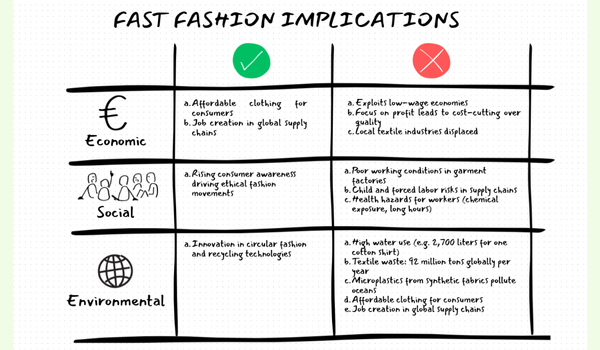
- Look Closely: Select dilemmas that resonate with students" everyday lives"such as the environmental impact of fast fashion or waste disposal choices. This makes learning more meaningful and offers practical guidance for navigating personal sustainability decisions.
- Train Staff: Offer workshops on facilitating dialogue and managing uncertainty.
- Ensure Leadership Support: Align the practice with the school's sustainability strategy.
Useful Links and Resources
This link might not lead to content in English language. Use your browser's translate function or automatic captions to explore this resource. In the GreenComp Framework published by the European Commission in 2022, Embracing complexity in sustainability is identified as one of the four key competence areas (see p. 19). This area emphasizes the importance of understanding interconnections, managing uncertainty, and navigating trade-offs. The framework provides valuable guidance on how conflicts of interest"often inherent in sustainability-related decisions"can be transformed into meaningful learning opportunities that foster critical thinking and support the development of holistic green practices across educational settings. Find the framework in all EU-languages here:https://publications.jrc.ec.europa.eu/repository/handle/JRC128040


- © 2023 GreenVET | handcrafted & powered with love by GreenVET Team