GreenVET pathway

Online GreenVET Path
| ← close |
 |  |  | ||
School Excursions to Nature Conservation Areas
School excursions to nature conservation areas offer students hands-on, immersive experiences that make ecological concepts tangible and meaningful. Through guided activities like habitat restoration or biodiversity monitoring, students build environmental awareness, emotional connection to nature, and motivation for sustainable action.Key People and Partners Involved
- students
- teachers
- National Parks or Nature Conservation Areas
Description of the practice
A school excursion to a nature conservation area offers students direct, immersive experiences with the natural world that go far beyond what classroom learning can provide. In national parks, biosphere reserves, or other protected landscapes, students engage their senses and gain a tangible understanding of ecosystems. Many of these areas offer age-appropriate, guided educational programs—such as wildlife observation, forest ecology walks, or conservation tasks—that bring environmental concepts to life.These excursions not only build knowledge but also foster a lasting emotional connection to nature. By witnessing the beauty and vulnerability of natural systems firsthand, students develop a deeper sense of environmental responsibility. Seeing the impacts of biodiversity loss, climate change, or habitat degradation in real settings helps them grasp the urgency of environmental action and inspires long-term stewardship.
Common themes for such excursions include hands-on habitat restoration, where students help plant native species or remove invasives; observing climate change impacts, such as shifting plant zones or altered animal behavior; and biodiversity monitoring through bird counts, insect surveys, or footprint tracking. These activities reinforce learning, promote active participation, and often contribute to ongoing conservation efforts.
Where it’s being implemented
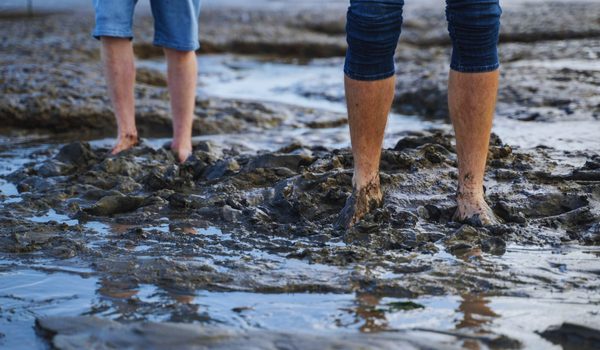
This link might not lead to content in English language. Use your browser's translate function or automatic captions to explore this resource.- Students of Max-Eyth-VET-school in Schiffsdorf Germany visited the German tidal flats, a National Park at Germany's coast with its unique biodiversity profile:
https://www.mes-schiffdorf.de/2023/11/06/mit-den-fuessen-im-watt-den-biosphaerentag-hautnah-erleben/ - One initiative in Saxony, Germany, specifically designed for students, is the guided tour offered by the Garden and Park Association of Saxony. These tours make the impacts of climate change—such as drought stress in mature trees—visible and relatable. Through hands-on examples, students learn how the interplay between soil, water, and trees is being altered by climate shifts, and explore practical adaptation strategies for preserving historic gardens.
https://wissen.schloesserland-sachsen.de/forschung-sammlung/klimawandel-in-historischen-gaerten/veranstaltungen/
Impact and Results
- Increased Environmental Awareness – Students gain a deeper understanding of ecosystems and the importance of conservation.
- Emotional Connection to Nature – Direct experiences foster appreciation and care for natural environments.
- Applied Learning – Concepts like biodiversity, climate change, or ecological cycles become tangible and memorable.
- Motivation for Action – Students are more likely to adopt sustainable behaviors and advocate for environmental protection.
Implementation Tips and Insights
- Partner with Local Nature Parks or Reserves – Many offer tailored educational programs and trained guides for school groups.
- Connect the Excursion to the Curriculum – Tie the visit to learning goals in science, geography, or citizenship to deepen its impact.
- Prepare Students in Advance – Introduce key concepts and what to expect to enhance engagement and understanding during the trip.
- Include Interactive Elements – Activities like biodiversity monitoring or nature journaling increase participation and retention.
- Reflect and Follow Up – Use discussions, presentations, or projects after the trip to reinforce learning and encourage action.


- © 2023 GreenVET | handcrafted & powered with love by GreenVET Team