GreenVET pathway

Online GreenVET Path
| ← close |
 |  |  | ||
Green Classroom Speaker
The Green Classroom Speaker is a student appointed in each class to lead and coordinate sustainability-related actions and awareness. This peer-to-peer model empowers students to take ownership of eco-friendly practices and promotes a culture of responsibility and leadership in daily school life.Key People and Partners Involved
- students
- class teachers
- school sustainability team
Description of the practice
The Green Classroom Speaker is a sustainability ambassador chosen from within each class, usually on a rotating or voluntary basis. This student takes on the role of promoting eco-conscious behavior among classmates, such as reducing waste, turning off unused lights, encouraging recycling, and supporting sustainable choices in school projects and events. The Green Speaker acts as a link between students and school sustainability teams.The Green Speaker model fosters student agency and ensures that sustainability is embedded in the day-to-day life of the classroom. It supports peer learning, as students are more likely to engage with messages coming from a fellow classmate. The role often includes leading discussions during eco-themed events, helping organize green campaigns, and reporting on the class"s sustainability progress to school staff or student councils.
This initiative enhances leadership skills and environmental literacy, especially when integrated into a broader whole-school sustainability strategy. It also allows schools to track classroom-level progress and tailor support where needed. Over time, it builds a strong culture of environmental responsibility and collaboration across age groups and disciplines.
Where it’s being implemented
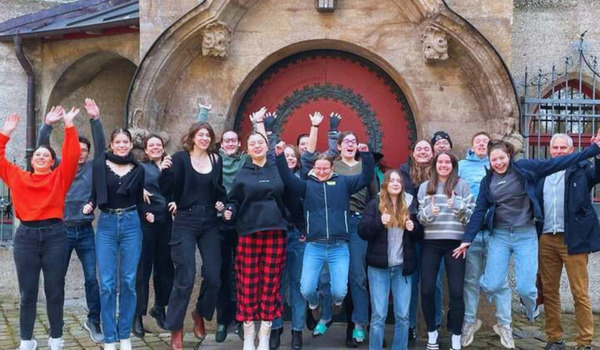
This link might not lead to content in English language. Use your browser's translate function or automatic captions to explore this resource.- “We want to embed sustainability as a key topic in our school,” says teacher Maria Schmied of Vocational School FOSBOS Fürstenfeldbruck, “not just among staff, but also in the classrooms.” That’s why, in addition to class representatives, each class now elects two environmental representatives who are trained for their role—taking on tasks ranging from waste separation and energy-saving to promoting reusable cups, managing a book exchange, and reusing scrap paper.
https://www.fosbos-ffb.de/"p=9132
Impact and Results
- Strengthened student leadership and engagement in sustainability.
- Improved classroom-level environmental practices.
- Increased peer-to-peer influence on sustainable behaviour.
- Ongoing integration of SDGs into everyday learning.
Implementation Tips and Insights
- Clearly define the Green Speaker’s role and responsibilities - Provide a clear and age-appropriate role description so students understand their tasks, such as monitoring classroom sustainability practices and motivating peers.
- Organize a preparatory workshop for all Green Speakers - Offer an engaging training session to equip them with basic knowledge, build their confidence, and strengthen collaboration across classes through joint activities.
- Create meaningful incentives - Explore possibilities to reward their engagement"for example, by granting them short breaks from regular lessons for sustainability-related tasks or meetings.
- Celebrate and recognize their efforts regularly - Highlight their contributions during school assemblies, in newsletters, or on school social media to motivate continued involvement and inspire others.
Useful Links and Resources
This link might not lead to content in English language. Use your browser's translate function or automatic captions to explore this resource. In this engaging Climate Lab episode, Dr. M. Sanjayan and Vox explore how wasting food is a major yet overlooked contributor to climate change, showcasing surprising statistics and expert insights on the scale of the problem. The video breaks down actionable steps—from reducing food waste to policy solutions—that viewers can take to make a real difference in combating food-related emissions.https://www.youtube.com/watch"v=6RlxySFrkIM
“The Extraordinary Life and Times of Strawberry” is a poignant short film produced by the Natural Resources Defense Council that follows the journey of a single strawberry—from harvest to fridge—highlighting how much food is wasted and the ripple effects on environmental, economic, and social systems. Through striking stop-motion storytelling and emotional sound design, it brings attention to the “butterfly effect” of food waste and encourages viewers to rethink their habits and value every bit of food .
https://www.youtube.com/watch"v=uTaFYF1nA4c


- © 2023 GreenVET | handcrafted & powered with love by GreenVET Team