GreenVET pathway

Online GreenVET Path
| ← close |
 |  |  | ||
Green schoolyards
Green schoolyards transform traditional asphalt school grounds into natural, multifunctional spaces that promote outdoor learning, physical activity, mental well-being, and climate resilience.Key People and Partners Involved
- Schools and school administrators
- Local municipalities and urban planners
- Environmental NGOs and landscape architects
- Parents and community volunteers
Description of the practice
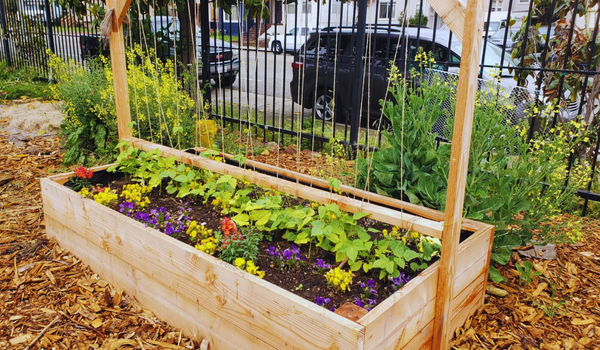
Green schoolyards are redesigned outdoor spaces that replace concrete and unused fields with greenery, gardens, natural play areas, and outdoor classrooms. These areas offer hands-on learning opportunities while connecting students with nature.The initiative promotes student health, physical activity, and social-emotional development. Green spaces reduce heat, improve air quality, and create inclusive environments that support both education and well-being.
In addition to school use, these yards often serve as community parks outside school hours"strengthening neighborhood ties and offering equitable access to green space for all residents.
Where it’s being implemented
This link might not lead to content in English language. Use your browser's translate function or automatic captions to explore this resource.- Germany’s Grüne Schule Program – Schools integrate green design and outdoor learning through federal and municipal support.
https://sigmaearth.com/de/das-Konzept-der-gr%C3%BCnen-Schulen/ - San Francisco Green Schoolyard Alliance (USA) - Over 100 public schools transformed into green outdoor spaces used for both learning and community use.
https://www.greenschoolyards.org/ - Schoolyards are "de-asphalted" and redesigned with vegetation, then opened to local communities outside school hours to increase climate adaptation and access to green space.
https://www.paris.fr/pages/les-cours-oasis-7389
Impact and Results
- Reduced surface temperatures in schoolyards during heatwaves
- Improved student well-being, concentration, and play opportunities
- Increased urban biodiversity through native planting
- Enhanced community access to green spaces after school hours
- Greater student involvement in environmental education and co-design
Implementation Tips and Insights
- Involve students and teachers in the co-design process
- Replace asphalt with permeable, nature-based surfaces
- Use native plants to boost biodiversity and reduce maintenance
- Incorporate outdoor classrooms and shaded areas
- Design for multifunctional use—learning, play, and community access
Useful Links and Resources
This link might not lead to content in English language. Use your browser's translate function or automatic captions to explore this resource. Green Schoolyards for Healthy Communitieshttps://www.childrenandnature.org/schools/greening-schoolyards/


- © 2023 GreenVET | handcrafted & powered with love by GreenVET Team