GreenVET pathway

Online GreenVET Path
| ← close |
 |  |  |  | |
Sustainability on the school website
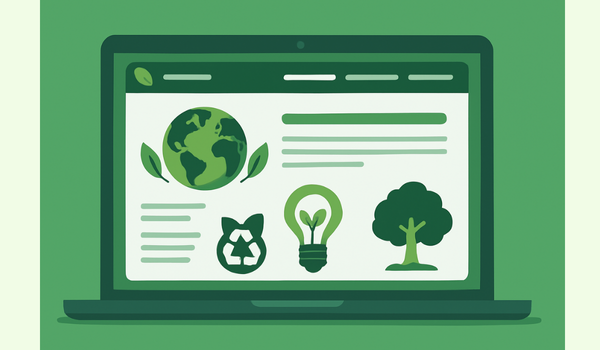
"The website can serve as a powerful tool for communicating environmental values and engaging the wider community. This can be done in different ways, such as: • Creating a dedicated sustainability subpage to showcase green initiatives, share resources, and highlight the school or organisation’s commitment to climate-friendly practices. • Publishing a weekly sustainability quote or reflection to inspire students, staff, and visitors to think about environmental issues and adopt more sustainable behaviours."Key People and Partners Involved
- School administrators or communication teams
- Teachers and eco-coordinators
- Web developers or IT staff
- Students (content creators or contributors)
- Community/environmental partners
Description of the practice
A school or organisation’s website can be a powerful platform for communicating environmental values and engaging the wider community. One option is to create a dedicated sustainability subpage that serves as a central hub for showcasing green actions, commitments, and resources. Such a page may include sections on waste reduction, energy efficiency, green procurement, school gardens, and student-led initiatives. By making sustainability efforts visible online, the institution promotes transparency, inspires others to adopt similar practices, and strengthens its educational mission by linking sustainability topics to the curriculum.Another approach is to publish weekly sustainability-themed quotes or reflections that encourage mindfulness about environmental issues and promote sustainable thinking. These messages are carefully selected to be age-appropriate, thought-provoking, and aligned with the school’s values. The initiative is often collaborative: students research and propose meaningful content, teachers and sustainability coordinators review it, and the website administrator ensures timely publication. This process fosters student engagement and builds a sense of ownership and pride in promoting sustainability.
Whether through a comprehensive subpage or regular inspirational messages, the website becomes a living space for eco-engagement. It can feature photos, SDG references, project updates, downloadable toolkits, and calls to action for students and families. Over time, these digital elements help embed environmental awareness into the school culture, spark conversations in classrooms and at home, and support the institution’s broader sustainability goals.
Where it’s being implemented
This link might not lead to content in English language. Use your browser's translate function or automatic captions to explore this resource.- "The American College of Greece features a “Sustainability Face of the Month” on its sustainability subpage—an article series highlighting students who actively live out sustainable values. Each month, a student is recognized for their eco-friendly habits, leadership in green projects, or contributions to campus sustainability.
This initiative not only promotes individual responsibility and peer inspiration but also strengthens a culture of recognition around sustainability. The stories serve as role models for others and help personalize the school’s commitment to the Sustainable Development Goals."
https://www.acg.edu/news-events/sustainability/sustainability-face-of-the-month-meet-parallel-studies-student-elpida-tzemari/ - RTK, a vocational college, highlights its participation in the Eco-Schools (Ekoskolu) program on a dedicated sustainability page. It emphasizes the implementation of environmental management systems in school life and the integration of sustainability across education programs
https://www.rtk.lv/lv/ekoskola/ - Berufsbildende Schulen Goslar-Baßgeige (Germany): Their "School for Sustainability" page presents the institution’s cross-curricular commitment to climate protection, green mobility, recycling, and collaboration with regional networks.
https://tfbern.ch/uber-uns/unsere-schule/nachhaltigkeit/
Impact and Results
- Increased visibility of the school's environmental efforts
- Stronger engagement from students, parents, and the community
- Easier access to sustainability resources and project updates
- Clear alignment with SDGs and national green initiatives
- Enhanced reputation as a climate-conscious institution
Implementation Tips and Insights
- Keep the page clear, visual, and regularly updated. Schedule posts in advance to ensure consistency and keep the page dynamic.
- Link sustainability actions to the school’s mission and SDGs. Encourage teachers to discuss the weekly messages in class.
- Include student work, success stories, and goals. Involve students in selecting or creating weekly messages to foster ownership and pride.
- Use icons and photos to make content engaging.
- Offer downloadable materials or pledge forms.
Useful Links and Resources
This link might not lead to content in English language. Use your browser's translate function or automatic captions to explore this resource. A blog post with some ideas for sustainability quotes and thoughts.https://environfriend.com/eco-friendly-quotes-for-students/
Another list of sustainability quotes.
https://www.goodgoodgood.co/articles/sustainability-quotes
Erasmus+ project, where key European messages were published every day for a year. A third of the messages related to environmental awarenes. The website still published a new key message every day.
https://www.eu365.eu/


- © 2023 GreenVET | handcrafted & powered with love by GreenVET Team