GreenVET pathway

Online GreenVET Path
| ← close |
 |  |  | ||
Influence for Impact: VET Schools Collaborating with Social Media Influencers to Promote Sustainability
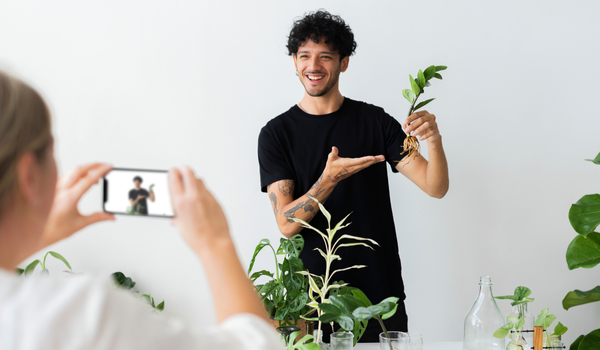
This best practice involves VET schools partnering with social media influencers to co-create content that promotes sustainable habits and vocational green skills. By leveraging influencers" reach and credibility with young audiences, schools can boost student engagement, raise environmental awareness, and connect sustainability education to real-world culture. These collaborations can range from eco-challenges and video campaigns to behind-the-scenes tours of green workshops and student-led sustainability projects.Key People and Partners Involved
- Teachers and students
- Administrative staff
- local community members
Description of the practice
To launch this practice, VET schools begin by identifying influencers whose values align with sustainability and vocational education-such as creators in eco-fashion, green technology, zero-waste living, or skilled trades with a sustainability focus. The collaboration could be formal (via campaigns or Erasmus+ initiatives) or informal (inviting influencers to events or classrooms). The key is ensuring that content created is authentic, youth-friendly, and educationally meaningful.Activities might include joint TikTok or Instagram challenges, influencer visits to classrooms or green labs, or co-created tutorials on sustainable practices in specific trades"like upcycling in fashion, water-saving in agriculture, or waste sorting in hospitality. Students can participate in content creation, learning media production and responsible digital communication skills while spreading sustainability messages to a broader audience.
The impact is twofold: it boosts sustainability awareness among students through relatable messengers, and it gives visibility to VET schools- green initiatives. It also equips students with digital and communication competences aligned with GreenComp and DigComp frameworks. By blending vocational education with digital storytelling, schools build a bridge between learning and lifestyle.
Where it’s being implemented
This link might not lead to content in English language. Use your browser's translate function or automatic captions to explore this resource.Impact and Results
- Increased student engagement with sustainability campaigns (measurable via views, shares, participation rates)
- Stronger digital communication and media literacy skills
- Boosted awareness of vocational green skills among youth audiences
- Tangible reduction in waste or emissions through campaign-inspired behavior changes
Implementation Tips and Insights
- Choose influencers who genuinely align with your educational values and sustainability focus.
- Co-create content that connects vocational subjects with real-life eco-actions.
- Ensure student participation in planning and content production.
- Use platforms where your students are already active (Instagram, TikTok, YouTube Shorts).
- Link the campaign to classroom activities, challenges, or eco-days for deeper impact.
Useful Links and Resources
This link might not lead to content in English language. Use your browser's translate function or automatic captions to explore this resource. The ORF SDGs Young Influencers Programme engaged students in discussions on various Sustainable Development Goals, including Climate Action. Participants demonstrated their capacity to think critically and propose innovative solutions. This program illustrates how engaging young influencers can foster a deeper understanding of sustainability issues, offering insights for VET schools aiming to collaborate with social media influencers.https://www.orfonline.org/research/the-orf-sdgs-young-influencers-programme-insights-from-the-pilot"utm_source=chatgpt.com


- © 2023 GreenVET | handcrafted & powered with love by GreenVET Team