GreenVET pathway

Online GreenVET Path
| ← close |
 |  |  | ||
Micro Forest on School Campus
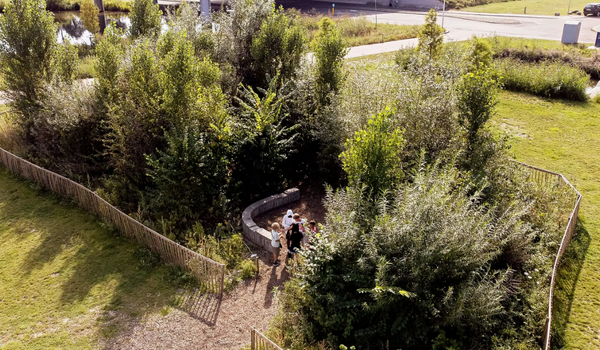
Micro forests are small, densely planted areas of native trees and shrubs designed to restore biodiversity and improve the local environment. Introducing a micro forest on a school campus gives students hands-on experience in ecosystem restoration while enhancing the school's sustainability footprint.Key People and Partners Involved
- School management
- Teachers
- Students
- Facility management
Description of the practice
Micro forests are small patches of trees and plants packed closely together to create a mini forest right on school grounds. They grow quickly and bring lots of benefits like cleaner air, cooler temperatures, and a cozy home for birds, insects, and other wildlife. For vocational schools, these micro forests turn the campus into a living classroom where students can learn about nature and sustainability up close.This idea fits perfectly with a whole-school approach to sustainability because it combines greening the campus with learning and teamwork. Students from different study areas—like gardening, landscaping, environmental science, and even project management—can all pitch in by helping design, plant, and care for the micro forest. Working together like this not only teaches valuable skills but also helps everyone feel proud of making a real difference for the environment.
Besides being great for education, micro forests help fight climate change by absorbing carbon and making the school surroundings cooler during hot days. They also help soak up rainwater, reducing flooding and keeping the campus greener. Overall, planting a micro forest is a simple but powerful way to make a school more sustainable, healthy, and inspiring.
Where it’s being implemented
This link might not lead to content in English language. Use your browser's translate function or automatic captions to explore this resource.- Miya-Forests is a German association that uses the Miyawaki method to create fast-growing, dense mini-forests with native plants, helping restore biodiversity in small urban spaces. They"re a proven way for schools and communities to build healthy ecosystems quickly while boosting climate resilience.
https://www.miya-forest.de/miyawaki - SUGi is a global organization that helps communities and schools plant native, biodiverse forests using the Miyawaki method to restore natural ecosystems quickly. They provide tools, guidance, and support to make urban reforestation easy and impactful, promoting environmental education and climate action.
https://www.sugiproject.com/ - An environmental local NGO put together all relevant information on how to implement a Miyawaki Micro Forest in a PDF:
https://www.umweltschutz-und-lebenshilfe.de/praesentation_miyawaki.pdf
Impact and Results
- Increased biodiversity and habitat creation on school grounds.
- Enhanced student engagement through hands-on environmental education.
- Improved air quality and microclimate regulation around the campus.
- Sequestration of carbon contributing to climate mitigation efforts.
- Strengthened community ties through shared planting and care activities.
Implementation Tips and Insights
- Choose native species - Select plants suited to your local climate to ensure fast growth and ecological benefits.
- Start small - Begin with a manageable plot to build experience before expanding.
- Involve students across subjects - Link planting and care to different classes like science, project management, and landscaping.
- Plan for long-term care - Assign responsibilities for watering, weeding, and monitoring growth.
- Engage community partners - Get local NGOs, experts, or nurseries involved for advice and support.


- © 2023 GreenVET | handcrafted & powered with love by GreenVET Team