GreenVET pathway

Online GreenVET Path
| ← close |
 |  |  |  | |
Cooking with Care: VET Students Serving Their Community
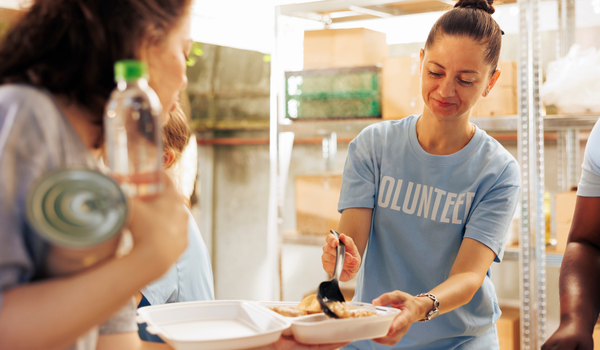
This best practice involves VET students preparing and distributing meals to homeless individuals as part of their culinary training. It combines skill development with social responsibility, allowing students to apply what they learn in meaningful, real-world contexts. When using surplus or locally sourced food, the initiative also promotes sustainability through reduced waste and responsible consumption.Key People and Partners Involved
- Teaching staff
- Students and teachers
- Administrative staff
- Community
Description of the practice
Preparing and sharing meals with homeless individuals is a powerful best practice that combines vocational training with social sustainability. In this initiative, students from VET culinary programmes engage in planning, cooking, and distributing meals as part of their learning process. This hands-on approach helps them build essential technical skills while also understanding the social role their profession can play in addressing real-life challenges such as hunger, poverty, and exclusion.When VET schools incorporate sustainability principles into this practice"such as sourcing local, seasonal produce or using food that would otherwise go to waste"it becomes a model of responsible consumption. Students learn not only how to prepare food, but also how to manage resources efficiently, reduce food waste, and minimise environmental impact. These lessons reinforce key sustainability values in everyday decision-making and professional conduct.
The social impact of the initiative is equally significant. Students gain awareness of inequality and develop empathy by interacting with marginalised communities. At the same time, they become active participants in building more inclusive, caring societies. The school strengthens its community ties, and the students graduate not only with practical skills, but also with a deeper understanding of their potential to create positive change through their work.
Where it’s being implemented
This link might not lead to content in English language. Use your browser's translate function or automatic captions to explore this resource.- IEK DELTA 360, Greece, and its culinary students participated in both the preparation and packaging of meals, in a creative and, at the same time, sustainable way, and then handed them out to homeless people, thus highlighting the importance of providing and ensuring access to everyone, especially those in need and in vulnerable situations.
https://www.facebook.com/share/v/197u6b4gg9/ - Colchester High School (UK): A charitable culinary course resulted in students cooking and donating meals to local homeless charities
https://www.isaschools.org.uk/resource/new-culinary-programme-offered-at-colchester-high-school-focused-on-eradicating-food-poverty.html"utm_source=chatgpt.com
Impact and Results
- Providing nutritious meals directly addresses food insecurity among vulnerable populations, helping to meet their immediate needs. Studies show such programs contribute to improved food access and health outcomes
- Utilizing surplus or unserved food from kitchens prevents edible food from becoming landfill waste. Food rescue initiatives are recognized as effective methods to reduce waste and lower greenhouse gas emissions
- Diverting surplus food reduces methane emissions from landfills—food waste is responsible for up to 8–10 % of global greenhouse gases, making this practice environmentally significant
- Preparing and distributing meals provides real-world training in cooking, nutrition, logistics, and health & safety—enhancing vocational competence and employability
- Engaging with homeless or food-insecure individuals strengthens community bonds, fosters empathy, and demonstrates civic responsibility within VET settings.
Implementation Tips and Insights
- Collaborate with shelters, community kitchens, or NGOs that support homeless individuals to coordinate safe and respectful food distribution.
- Make the activity part of the official culinary or hospitality training program so students earn credits while engaging in meaningful service learning.
- Source leftover, surplus, or seasonal food from school kitchens or local producers to reduce costs and environmental impact.
- Provide proper training in food safety, packaging, and transport to guarantee that meals are prepared and delivered responsibly.
- Let students plan the menu, cook, package, and participate in distribution (where appropriate) to build ownership, empathy, and vocational skills.
Useful Links and Resources
This link might not lead to content in English language. Use your browser's translate function or automatic captions to explore this resource. Guidelines which outline relevant legal, safety, and logistical considerations for redistributing surplus food to those in need. Useful for VET culinary departments considering cooking/donating surplus meals.https://food.ec.europa.eu/food-safety/food-waste/eu-actions-against-food-waste/food-donation_en"utm_source=chatgpt.com


- © 2023 GreenVET | handcrafted & powered with love by GreenVET Team