GreenVET pathway

Online GreenVET Path
| ← close |
 |  |  | ||
Creating Biodiversity Islands in the School Yard
Designing micro-ecosystems with native plants to enhance biodiversity and engage students in the exploration of urban ecology.Key People and Partners Involved
- School management
- School's facility management
- Students
- Teachers
Description of the practice
Creating biodiversity islands in school gardens is a hands-on way for students to actively contribute to environmental sustainability. By designing and planting with native species, students help create micro-ecosystems that support local pollinators and other wildlife. These spaces not only enhance biodiversity but also offer a unique opportunity for students to connect with nature, learning firsthand about the vital role of urban green spaces in supporting wildlife.Students take an active role in every step of the process"from researching the local environment and selecting plant species to planting and caring for the garden. By collaborating with experts, such as botanists and environmental organizations, students gain real-world insights into ecological conservation and the importance of using native plants. This involvement fosters a sense of ownership and responsibility for their green spaces, as they see their efforts directly benefit the ecosystem.
Beyond the technical skills gained through gardening, this project strengthens the school’s commitment to sustainability and environmental education. It encourages a culture of responsibility, where students understand their impact on the planet and feel empowered to make a difference. The biodiversity islands become more than just gardens—they become living classrooms, fostering collective well-being and nurturing a lasting connection between students and the natural world.
Where it’s being implemented
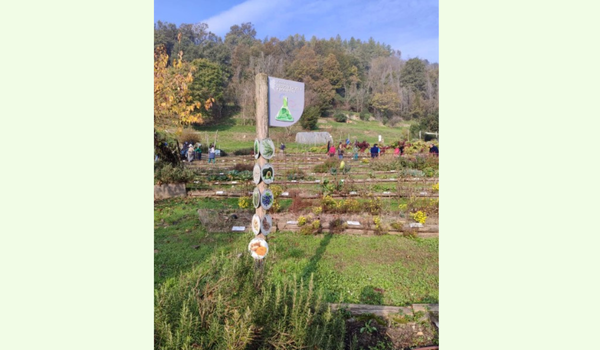
This link might not lead to content in English language. Use your browser's translate function or automatic captions to explore this resource.- The 3BT class at the C. Caniana Technical Institute in Bergamo worked with experts to design and create biodiversity islands in the school garden, planting native species like chestnut, hawthorn, apple, and hornbeam to support pollinators and local ecosystems. Using a research-action approach, students analyzed the environment, learned ecological practices, and actively participated in planting and maintaining the garden. This project is part of the school"s environmental education program, fostering outdoor learning, sustainability, and a deeper sense of community through green initiatives.
Impact and Results
- Enhanced biodiversity: Native plants and micro-habitats support local ecosystems and wildlife.
- Increased environmental awareness: Students gain a deeper understanding of ecological principles.
- Stronger community partnerships: Schools build stronger ties with local organizations and experts.
- Improved outdoor learning: Outdoor spaces offer dynamic and hands-on learning experiences.
- Sustainability integrated into education: Sustainability concepts are woven into the school curriculum.
Implementation Tips and Insights
- Involve experts early: Collaborate with botanical experts from the planning stage to choose the right plants and design the space.
- Prepare a plant inventory: Create a detailed list of plants before planting, including their benefits for biodiversity and pollinators.
- Add explanatory signs: Place signs next to the plants to educate students and visitors about each species and its ecological role.
- Integrate into curriculum: Link the project to the civic education curriculum, covering topics like sustainability, ecology, and environmental stewardship.
- Monitor regularly: Set up periodic monitoring sessions to track plant growth, biodiversity, and student involvement.
Useful Links and Resources
This link might not lead to content in English language. Use your browser's translate function or automatic captions to explore this resource. Information about Italian plant supplier ERSAF:https://www.ersaf.lombardia.it
SUGi is an organization focused on restoring biodiversity through community-led rewilding projects, creating SUGi Forests in urban spaces using native plants to support local ecosystems. For schools, partnering with SUGi could offer hands-on environmental education, enhance green spaces, and provide a unique opportunity for students to engage in real-world ecological restoration.
https://www.sugiproject.com/about
The Green Urbanist Podcast explores sustainable urban design and green spaces, discussing how cities can become more eco-friendly and resilient. Schools should listen to the Rewilding Campuses episode to gain insights on transforming school grounds into biodiverse, nature-rich environments, enhancing student engagement and supporting environmental education.
https://greenurbanistpod.com/episode/117-wild-wilding-campuses


- © 2023 GreenVET | handcrafted & powered with love by GreenVET Team