GreenVET pathway

Online GreenVET Path
| ← close |
 |  |  | ||
Campus-Wide Recycling and Waste Separation Initiative
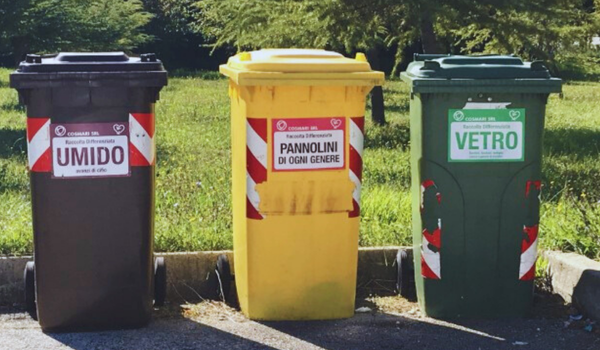
At Istituto Comprensivo Mortara (Italy), a comprehensive recycling program engages students in sustainable practices through clearly labeled bins for paper, plastic, organic waste, toner cartridges, cooking oil, and more"promoting environmental awareness across the school community.Key People and Partners Involved
- School management
- Teachers and students
- Local waste collection service
- Local municipality
Description of the practice
At the Istituto Comprensivo Statale di Mortara (Pavia, Italy), a multi-year waste separation and recycling program has been established. The school provides recycling bins in every classroom and courtyard for paper and plastic, and also collects specific items such as plastic bottle caps in yellow bins near entrances. Additionally, the school handles toner cartridges, aluminum, cooking oil, and organic food waste through designated eco-boxes and composters.Students play an active role: they bring collected paper and plastic from classrooms to the courtyard, where eco-boxes and composter units are maintained. The school’s younger students even contribute by decorating the bins, fostering ownership and environmental awareness. The funds raised from recycling efforts are reinvested in environmental protection projects.
This initiative integrates waste management into the school's curriculum and daily routines, educating students on waste separation and circular economy concepts. By combining practical activity, student engagement, and broader school policy, the program builds long-term sustainable habits and community involvement.
Where it’s being implemented
This link might not lead to content in English language. Use your browser's translate function or automatic captions to explore this resource.- Find out more about the program that is actively implemented at Istituto Comprensivo Statale di Mortara (Italy):
https://www.icmortara.edu.it/wordpress/studenti/ecopagine/ecodidattica/scuola-ambiente - The Erasmus+ KA220 project "Leave Zero Waste for the Future" brings together schools from Italy, Spain, Turkey, and Lithuania, along with Swedish and Austrian NGOs, to develop skills in waste management and recycling. Italian students and teachers engage in exchanges focused on innovative teaching methods, including permaculture, outdoor learning, and integrating recycling into the curriculum. The project also creates training materials and online courses, which are shared across national and European platforms to foster sustainability and collaboration among diverse school communities.
https://www.icvallevitulanese.edu.it/progetto-erasmus-ka210-leave-zero-waste-for-the-future
Impact and Results
- Consistent segregation of multiple types of waste (paper, plastic, organic, aluminum, cartridges, oil)
- Enhanced student awareness and environmental responsibility
- Active student participation in both collection and visual bin management
- Reduction in general waste through targeted recovery
- Revenue generated to fund environmental initiatives
Implementation Tips and Insights
- Provide color-coded, clearly labeled bins for easy sorting.
- Involve students in bin design or decoration to boost ownership.
- Schedule regular bin-emptying routines with eco-friendly partners.
- Track and communicate recycling results to the school community.
- Reinvest proceeds from recycling into new sustainability projects.
Useful Links and Resources
This link might not lead to content in English language. Use your browser's translate function or automatic captions to explore this resource. Details of the Mortara school waste project ("Progetto Scuola & Ambiente")https://www.icmortara.edu.it/wordpress/studenti/ecopagine/ecodidattica/scuola-ambiente
School-based didactic campaigns on plastic recycling by Corepla
https://www.corepla.it/pagine-scuola/campagne-scuola


- © 2023 GreenVET | handcrafted & powered with love by GreenVET Team