GreenVET pathway

Online GreenVET Path
| ← close |
 |  |  | ||
Regional Produce in Canteens
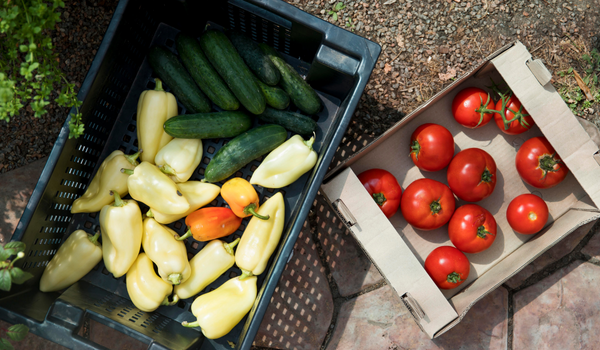
A school lunch program that sources 90% of its fruits and vegetables locally fosters sustainable nutrition while supporting regional agriculture.Key People and Partners Involved
- Municipal school canteen operators
- Local produce consortium
- Municipal authorities and schools
Description of the practice
One great way VET schools can move toward sustainability is by adopting school lunch programs that rely heavily on locally sourced fruits and vegetables. When schools get a majority of their produce from nearby farms, it cuts down on long-distance transport and lowers the environmental impact. At the same time, students benefit from fresher, seasonal food that supports their health and well-being. This kind of initiative shows how everyday choices—like what's served at lunch—can make a real difference for both people and the planet.These lunch programs can also be a hands-on learning opportunity. Instead of just talking about sustainability in the classroom, students get to see it in action. They learn where their food comes from, why seasonal eating matters, and how local supply chains work. Plus, involving local farmers and food producers helps build stronger connections between schools and their communities. It’s a practical way to show students how sustainability is part of daily life—not just a theory.
A good example of this can be found in Piacenza, Italy. In the local schools there, the central kitchen gets most of its fresh fruits and vegetables from a nearby agricultural consortium. This means students are eating food that’s in season, grown close to home, and often harvested just days before it’s served. It’s a win-win: local farmers get steady support, kids learn about sustainable food systems, and the community becomes more engaged in school life. The Piacenza experience shows how even small changes in how schools source food can lead to big impacts.
Where it’s being implemented
This link might not lead to content in English language. Use your browser's translate function or automatic captions to explore this resource.- The Burlington School Food Project (BSFP) is a collaborative effort in Burlington, Vermont, United States, to connect schoolchildren and their families with nearby farms by bringing more fresh local foods to cafeterias and more hands-on agriculture education to classrooms. Explore the school's newsletter to explore how this practice can be embedded institutionally:
https://web.archive.org/web/20061020011142/http://www.shelburnefarms.org/PDFs/BSFPNewsletter2005Color.pdf
Impact and Results
- Lower carbon emissions: Local sourcing reduces the need for long-distance food transport.
- Support for local farmers: Schools provide steady demand for nearby agricultural producers.
- Healthier school meals: Fresh, seasonal produce improves nutritional quality.
- Hands-on sustainability education: Students learn about food systems through real-life examples.
- Stronger community ties: Local partnerships build closer school-community relationships.
Implementation Tips and Insights
- Start small and scale up: Begin with a few key ingredients or one meal per week, then gradually expand as logistics and budgets allow.
- Involve students and staff: Engage the school community through cooking activities, garden projects, or visits to local farms to build support and awareness.
- Showcase the origin of produce - Use signs, labels, or school displays to highlight where ingredients come from and introduce students to local farmers.
Useful Links and Resources
This link might not lead to content in English language. Use your browser's translate function or automatic captions to explore this resource. "The Extraordinary Life and Times of Strawberry" is a powerful short film by the Natural Resources Defense Council that traces the long, resource-heavy journey of a single strawberry"from field to fridge. It sheds light on the hidden costs of shipping food over long distances, including energy use, emissions, and increased spoilage. Through creative stop-motion visuals and evocative sound design, the film reveals how even a small piece of wasted produce reflects a much larger environmental and economic burden. It urges viewers to reconsider the true cost of their food and the impact of global supply chains on sustainability.https://www.youtube.com/watch"v=uTaFYF1nA4c
Find more tipps on how to make this practice sustainable for the school on Green Schools Alliance's website:
https://www.greenschoolsalliance.org/guides-44-food-procurement"utm_source=chatgpt.com


- © 2023 GreenVET | handcrafted & powered with love by GreenVET Team