GreenVET pathway

Online GreenVET Path
| ← close |
 |  |  | ||
Digital Footprint & Green ICT Awareness
Students learn how everyday digital habits (cloud storage, streaming, device use) consume energy and produce emissions, and they adopt "digital sobriety" behaviors to reduce impact.Key People and Partners Involved
- School leadership
- ICT teachers
- Students
- Local ICT/energy experts
Description of the practice
Students begin by mapping out their daily digital habits—such as video streaming, file syncing, and data backups—and estimating the energy use and carbon emissions tied to these activities using simple online calculators. They explore how different behaviors impact the environment by comparing “low-impact” actions (like listening to audio instead of video) versus “high-impact” ones (such as using mobile data instead of Wi-Fi).Teachers introduce students to European guidelines on “green digital” practices and the concept of “digital sobriety,” encouraging learners to think critically about the environmental costs behind digital convenience. This helps students understand the trade-offs between the benefits of digital technology and its often overlooked ecological footprint.
Building on this foundation, the school pilots new sustainable digital habits. These include device power-management settings, regular digital storage clean-ups, choosing low-bandwidth options for online meetings, and establishing shared rules for virtual classes and labs. Students actively participate by designing posters and running micro-campaigns to raise awareness and promote greener digital behaviors throughout the school community.
Where it’s being implemented
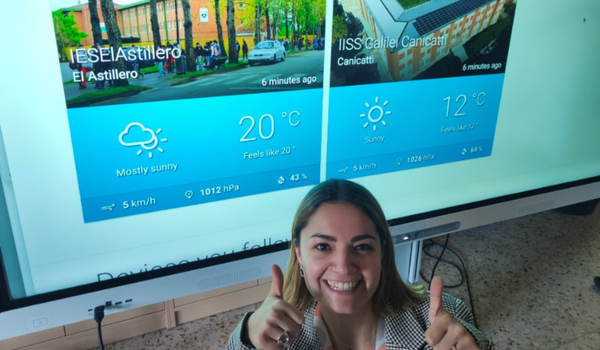
This link might not lead to content in English language. Use your browser's translate function or automatic captions to explore this resource.- At IISS “G. Galilei” Canicattì (Sicily), the Erasmus+ KA210 project Empowering students for sustainable futures built digital competencies alongside climate literacy and environmental data analysis, engaging students with partners and the local community.
https://www.iissgalileicanicatti.edu.it/progetto-k210-empowering-students-for-sustainable-futures
Impact and Results
- Student-created guidelines promote greener digital habits across the school.
- Significant reduction in unnecessary cloud storage, freeing up space and cutting energy use.
- Classrooms consistently use energy-saving settings on devices by default.
- Awareness campaigns extend beyond the school, encouraging families to adopt sustainable digital practices at home.
Implementation Tips and Insights
- Kick off with a one-week "digital diary" to track everyday online habits.
- Make the hidden impact visible by sharing simple before-and-after energy or data use metrics.
- Focus first on cleaning up and managing digital storage to reduce unnecessary energy use.
- Set low-impact settings as the default on all devices and apps.
- Celebrate and share quick wins with the whole school to keep motivation high.
Useful Links and Resources
This link might not lead to content in English language. Use your browser's translate function or automatic captions to explore this resource. The Green Digital policy of the European Commission promotes the twin transition by ensuring digital technologies contribute to climate and environmental goals, for instance via energy-efficient ICT, sustainable data centres, measuring net impact, and integrating digital actions into the Green Deal.https://digital-strategy.ec.europa.eu/en/policies/green-digital
Website Carbon Calculator - a free online tool to estimate the carbon emissions per page view of a website. Good for assessing digital footprint of web pages.
https://www.websitecarbon.com/


- © 2023 GreenVET | handcrafted & powered with love by GreenVET Team